
SUMMARY
- Scratches and paint damage can affect both appearance and vehicle value.
- Even minor paint damage can expose metal surfaces to moisture and corrosion.
- Auto body repair professionals use different repair methods depending on the depth and severity of the damage.
- Surface scratches may be polished out, while deeper damage often requires sanding, refinishing, and repainting.
- Paint matching technology helps ensure repaired areas blend seamlessly with the original finish.
- Delaying repairs can lead to rust, paint peeling, and more expensive restoration work.
- Professional repairs help maintain vehicle appearance, protection, and resale value.
- Chenal drivers should address paint damage early before it becomes a larger problem.
Why Paint Damage Is More Than a Cosmetic Problem
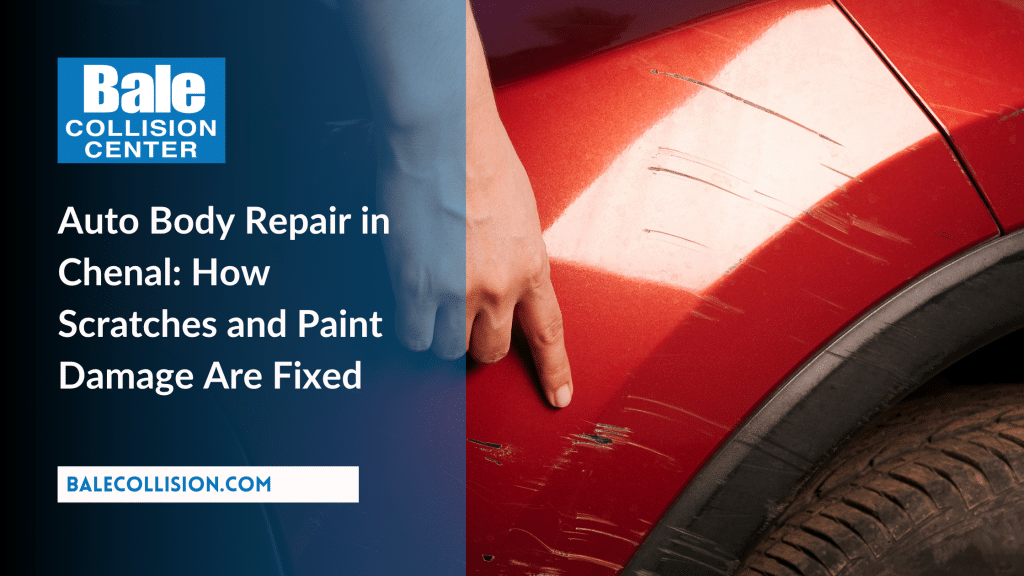
Most vehicle owners notice scratches and paint damage immediately. Whether it’s a shopping cart in a parking lot, road debris on Chenal Parkway, or an accidental scrape in a garage, paint damage can be frustrating.
Many drivers view scratches as purely cosmetic issues. However, automotive paint serves a much larger purpose than simply making a vehicle look good.
Modern paint systems protect the underlying metal from:
- Moisture
- Road salt
- Dirt and contaminants
- UV exposure
- Corrosion
When that protective barrier becomes damaged, the risk of rust and long-term deterioration increases significantly.
For drivers throughout Chenal and Little Rock, understanding how scratches and paint damage are repaired can help prevent minor imperfections from turning into costly auto body repairs.
Understanding the Different Types of Vehicle Scratches
Not all scratches require the same repair process.
The first step in any repair is determining how deeply the damage penetrates the paint system.
Clear Coat Scratches
Clear coat scratches affect only the transparent outer layer of paint.
These scratches often appear as:
- Light swirl marks
- Surface scuffs
- Minor abrasions
In many cases, clear coat scratches can be corrected through polishing and paint correction techniques.
Paint Layer Scratches
When damage penetrates beyond the clear coat and into the color layer, more extensive repairs may be necessary.
These scratches are often:
- More visible
- Easier to feel with a fingernail
- Difficult to remove through polishing alone
Primer-Level Damage
Deeper scratches may expose the primer beneath the paint.
At this stage, refinishing work is typically required to restore appearance and protection.
Bare Metal Exposure
The most serious paint damage exposes bare metal surfaces.
Once metal becomes exposed, corrosion can begin developing if repairs are delayed.
According to PPG Automotive Refinish, maintaining the integrity of automotive paint systems plays a critical role in protecting vehicle surfaces from environmental damage and corrosion.
Common Causes of Paint Damage in Chenal
Vehicle paint can become damaged in many ways.
Parking Lot Incidents
Door dings, shopping carts, and minor contact with other vehicles are common causes of scratches.
Road Debris
Loose gravel, stones, and debris can chip paint and create surface damage.
Tree Branches and Landscaping
Vehicles parked near trees and shrubs may experience scratches from branches and vegetation.
Automatic Car Washes
Some car wash systems can create fine scratches and swirl marks over time.
Minor Collisions
Even low-speed accidents can leave scratches, scuffs, and paint transfer that require professional repairs.
How Auto Body Shops Repair Scratches and Paint Damage
The repair process depends on the severity of the damage.
Step 1: Damage Assessment
Technicians begin by inspecting the affected area.
They determine:
- Scratch depth
- Paint condition
- Panel damage
- Potential corrosion concerns
This evaluation helps identify the most appropriate repair method.
Step 2: Surface Preparation
Proper preparation is one of the most important parts of the repair process.
This may include:
- Cleaning
- Sanding
- Feathering damaged edges
- Removing contaminants
A properly prepared surface helps ensure long-lasting results.
Step 3: Repairing the Damaged Area
Depending on the damage, technicians may:
- Polish the surface
- Apply filler materials
- Repair dents
- Restore panel contours
When dents accompany paint damage, specialized techniques may be used before refinishing begins.
In some cases, paintless dent repair services may help address minor dents while minimizing the need for extensive bodywork.
Step 4: Primer Application
If scratches penetrate deeply into the paint system, primer may be applied to restore protection and create a smooth foundation for paint.
Step 5: Color Matching
One of the most critical steps in auto body repair is matching the original paint color.
Modern paint matching technology helps technicians accurately reproduce factory paint colors.
Factors considered include:
- Vehicle color code
- Paint age
- Sun exposure
- Finish type
According to Axalta Refinish, advanced color-matching systems help improve repair accuracy and blend repaired areas with surrounding panels.
Step 6: Paint Application
Technicians apply the appropriate color coat using professional refinishing equipment.
Multiple layers may be required depending on:
- Paint type
- Color complexity
- Manufacturer specifications
Step 7: Clear Coat Protection
A clear coat is applied to protect the repaired surface and restore gloss.
The clear coat helps shield the paint from:
- UV damage
- Environmental contaminants
- Moisture
- Everyday wear
Step 8: Final Inspection and Polishing
Once the repair is complete, technicians inspect the finish and perform final polishing to ensure quality and consistency.
Why Paint Matching Matters
One of the biggest concerns drivers have after a repair is whether the paint will match.
A poor paint match can make repairs obvious and reduce vehicle value.
Professional auto body facilities use:
- Digital color-matching technology
- Manufacturer paint formulas
- Spray-out test panels
- Blending techniques
These processes help create a seamless appearance between repaired and original panels.
At Bale Collision Center, technicians utilize professional refinishing procedures designed to restore both appearance and long-term protection after paint damage.
What Happens If You Ignore Paint Damage?
Some vehicle owners postpone repairs because the damage seems minor.
However, delaying repairs can lead to several problems.
Rust Formation
Once metal becomes exposed, corrosion can begin developing beneath the paint surface.
Paint Peeling
Damaged areas can expand over time as paint loses adhesion.
Reduced Vehicle Value
Visible paint damage often affects trade-in and resale value.
More Expensive Repairs
Small repairs are generally less expensive than extensive refinishing and corrosion repair projects.
Addressing damage early is usually the most cost-effective approach.
Why Professional Repairs Are Worth It
DIY repair kits may seem appealing, but professional repairs often produce better long-term results.
Professional technicians have access to:
- Manufacturer paint formulas
- Professional spray equipment
- Advanced color-matching systems
- Proper repair materials
- Controlled refinishing environments
Choosing professional auto body repair services helps ensure repairs look great while protecting the vehicle from future damage.
What Chenal Drivers Should Know About Arkansas Weather and Paint Damage
Arkansas weather can be tough on automotive finishes.
Vehicles in Chenal experience:
- Intense summer sun
- High humidity
- Rain exposure
- Seasonal storms
- Road debris
Over time, these conditions can accelerate paint deterioration, especially when existing scratches or chips are left unrepaired.
UV exposure can cause paint fading, while moisture can increase the risk of corrosion where paint protection has been compromised.
Regular inspections and prompt repairs help keep vehicle finishes looking their best year-round.
How to Prevent Future Paint Damage
While no vehicle is completely immune to scratches, drivers can reduce risk by:
- Parking away from crowded areas
- Maintaining safe following distances
- Washing vehicles regularly
- Applying protective waxes and coatings
- Addressing minor damage promptly
Preventative care often costs far less than extensive repairs later.
Frequently Asked Questions
Q: Can all scratches be repaired?
A: Most scratches can be repaired, although the repair method depends on how deeply the damage penetrates the paint system.
Q: How do body shops match paint colors?
A: Technicians use manufacturer color codes, digital matching technology, and blending techniques to achieve a seamless match.
Q: Will insurance cover scratch repairs?
A: Coverage depends on the cause of the damage and your insurance policy. Collision-related damage is often covered under applicable coverage.
Q: How long do paint repairs take?
A: Minor repairs may take a day or two, while larger refinishing projects can require additional time.
Q: Can scratches cause rust?
A: Yes. Deep scratches that expose metal can allow moisture to reach the surface and create corrosion.
Q: Is repainting always necessary?
A: Not always. Surface scratches may sometimes be corrected through polishing or paint correction techniques.
Q: How can I tell if a scratch is deep?
A: If you can feel the scratch with your fingernail or see primer or metal underneath, the damage is likely deeper.
Q: Are professional repairs better than DIY touch-up kits?
A: Professional repairs generally provide better color matching, durability, and overall appearance.
Restore Your Vehicle’s Finish with Professional Auto Body Repair
Scratches, paint chips, and surface damage may seem minor, but they can affect your vehicle’s appearance, protection, and long-term value. Addressing paint damage early helps prevent larger problems and keeps your vehicle looking its best.
If your vehicle has scratches, paint chips, or other cosmetic damage, contact Bale Collision Center to schedule an inspection and discuss your repair options.
You can also visit Bale Collision Center Chenal at 13101 Chenal Pkwy, Little Rock, AR 72211, United States, where experienced technicians can help restore your vehicle’s finish and protect it from future damage.

