Your vehicle represents a significant investment in safety, mobility, and financial value. When auto body damage occurs, most people choose repair facilities based on insurance referrals or convenient locations. However, the auto body shop you select directly impacts your family’s safety, your vehicle’s long-term performance, and how much value your car retains over time.
Not all repair facilities operate with the same standards, equipment, or commitment to safety. Bale Collision Center (Downtown) has served as a trusted body shop in Downtown Little Rock since 1952, giving it more than 70 years of collision repair experience, built on a foundation of certified technicians and manufacturer-approved procedures. In this guide, we share what makes an auto body shop truly the best choice for your vehicle and explain how our approach protects your safety and investment.
The Hidden Difference Between Cosmetic Fixes and Proper Repairs
Many facilities fix what you can see while ignoring what you cannot. A straightened panel might look acceptable, but improper welding techniques can weaken structural zones designed to protect you during the next impact.
True collision repair returns your vehicle to its pre-accident condition in both appearance and safety performance. This requires following the exact procedures engineers developed when designing your specific make and model.
Vehicle manufacturers publish detailed repair manuals for every model they produce. These documents specify which components can be repaired versus replaced, where welds must be placed, and how safety systems should be recalibrated. Shops that skip these steps save time and money while compromising your protection.
How Structural Shortcuts Create Future Risks
Consider two identical vehicles that suffered rear-end collisions. The first goes to a shop that pulls the frame straight using heat and brute force. The second receives proper sectioning and replacement of damaged structural members following OEM procedures.
Both cars look identical after repairs. Both customers drive away satisfied with the appearance. However, the first vehicle’s frame has been weakened through improper heating. The metal’s crystalline structure has changed, reducing its ability to absorb impact forces.
If the first vehicle gets hit again, the compromised frame crumples differently than engineers intended, allowing intrusion into the passenger compartment. The owner never knew their “repaired” vehicle had become less safe.
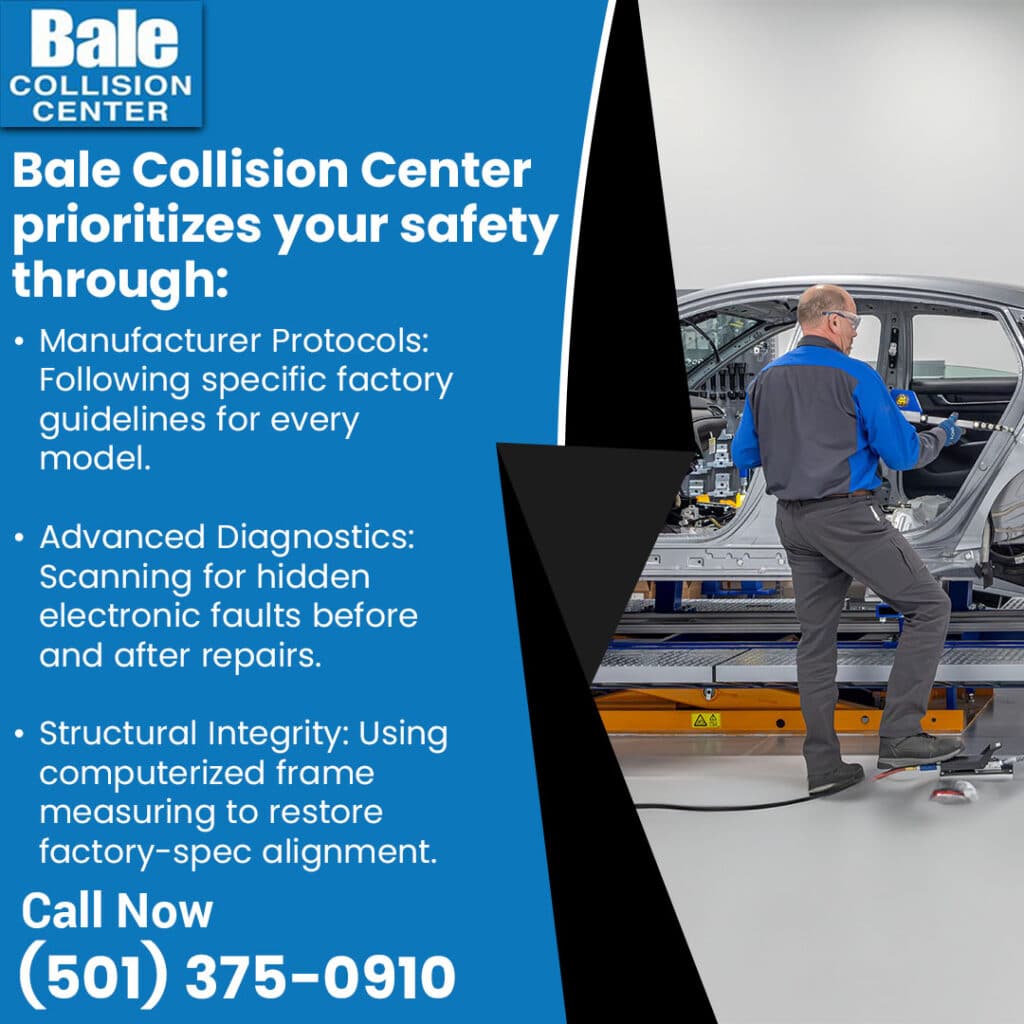
Quality auto body shops use computerized frame measuring systems that verify alignment within millimeter tolerances. These shops document measurements before and after repairs, providing proof that structural integrity has been restored rather than approximated.
Understanding Your Rights With Insurance Companies
Insurance carriers often recommend specific repair networks to streamline the claims process. These Direct Repair Programs (DRPs) establish partnerships between insurers and collision facilities to provide convenient service for policyholders.
You have the legal right to choose any auto body shop regardless of your insurance company’s preferences. Your policy covers repairs performed by qualified facilities, whether they participate in a DRP or not.
Many shops within DRP networks maintain excellent standards and provide quality repairs. The key is finding facilities that prioritize proper repair procedures regardless of their insurance relationships. Quality shops work collaboratively with all insurance companies while ensuring repairs meet manufacturer specifications and safety standards.
The Parts Quality Conversation
Insurance adjusters may offer aftermarket parts as an option during claims, though some customers prefer OEM parts for consistency in fit and performance. These components cost less than Original Equipment Manufacturer (OEM) parts but vary in quality and fit.
Some aftermarket parts function acceptably and offer cost savings. Others may create gaps, require excessive adjustment time, or fail prematurely. The key is identifying which aftermarket options deliver reliable performance and proper fit.
Quality facilities have transparent conversations with customers about parts options. If aftermarket components meet professional standards, they explain the savings and performance expectations. When OEM parts better serve the repair, they provide clear reasoning for the recommendation.
This transparency helps you make the right decisions based on your priorities for quality, warranty coverage, and budget, rather than discovering fitment issues after installation.
Technology Requirements for Modern Vehicle Repair
Walk into most facilities, and you’ll see paint booths, frame racks, and welding equipment. These visible tools matter, but the technology that separates exceptional facilities operates behind the scenes. Modern vehicles contain dozens of interconnected computer modules controlling everything from engine performance to safety systems. A collision that seems purely cosmetic often creates electronic faults that won’t appear until weeks or months later.
Pre-Repair and Post-Repair Scanning
Advanced diagnostic equipment communicates with every module in your vehicle, identifying fault codes that indicate hidden damage. Quality shops perform this scan before repairs begin, documenting all issues caused by the collision.
After completing repairs, they scan again to verify that all systems function correctly. This process catches problems before you leave the facility rather than after warning lights appear on your dashboard.
Many shops skip pre-repair scanning entirely, addressing only obvious damage. Others scan but lack the expertise to interpret results or the willingness to report additional damage to insurance carriers.
An auto body shop near you that performs this technological thoroughness protects you from discovering expensive problems after your claim closes and your rental car gets returned.
ADAS Calibration Requirements
Advanced Driver Assistance Systems (ADAS) represent one area where inadequate repairs create serious safety risks. These systems include automatic emergency braking, lane keeping assistance, adaptive cruise control, and blind spot monitoring.
ADAS components must be calibrated after any repair that affects their positioning. Replacing a windshield, straightening a fender, or adjusting a bumper can misalign cameras and sensors by fractions of a degree.
That misalignment means your automatic braking might not detect obstacles correctly. The lane departure warning could trigger inappropriately or fail to activate when needed. The best auto body shops use manufacturer-specific calibration procedures and proper equipment to restore these systems.
The Critical Role of Certifications and Training
Vehicle technology evolves rapidly. Materials that were standard five years ago have been replaced by high-strength steel alloys, aluminum components, and carbon fiber elements. Each material requires different repair approaches.
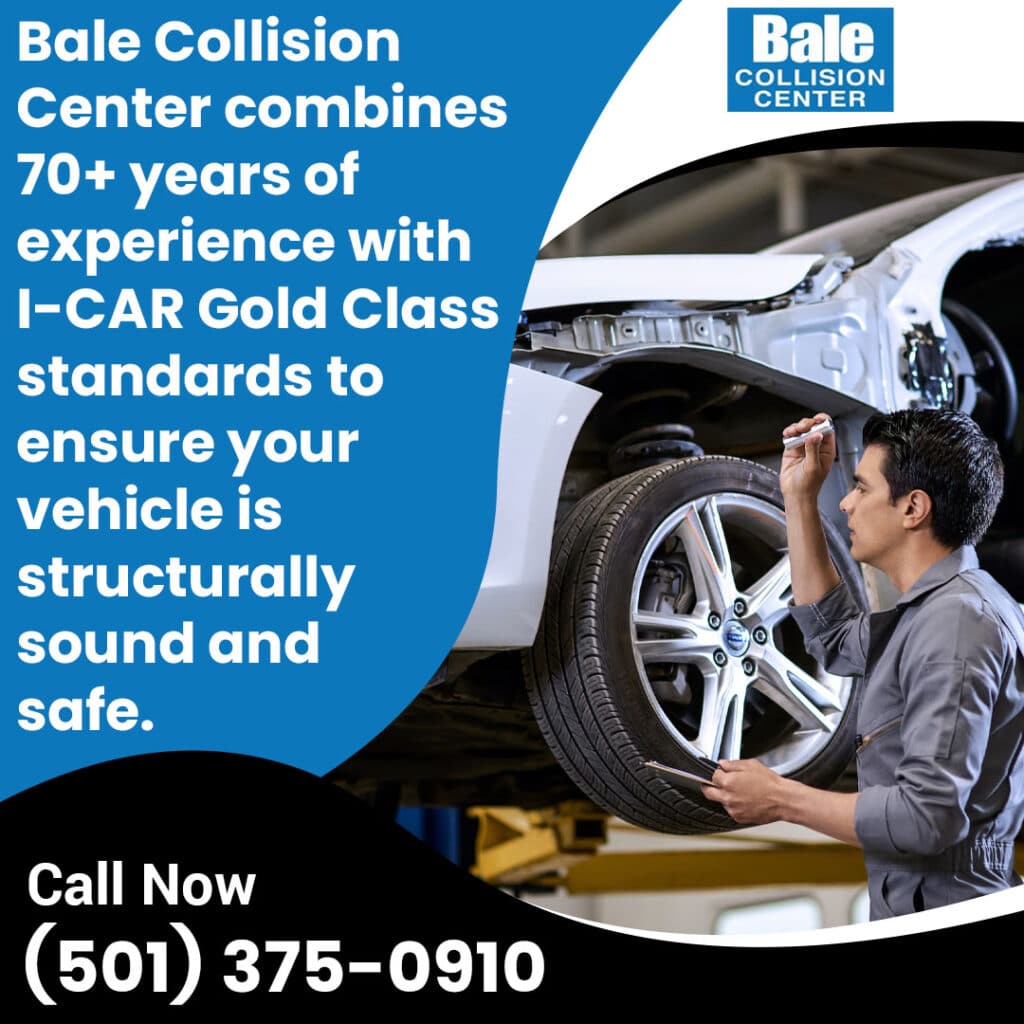
Shops that achieve I-CAR Gold Class certification do so by maintaining ongoing training across their entire team. This designation means that 100% of structural technicians and at least 50% of estimators, painters, and other staff complete annual training requirements. The commitment required in time, cost, and effort explains why most shops settle for basic competency rather than advanced expertise.
Why Certification Matters More Than Experience Alone
A technician with 20 years of experience might excel at repairing 2005 vehicles using 2005 methods. However, that same technician could damage a 2024 vehicle by applying outdated techniques to modern materials.
Aluminum panels in modern vehicles cannot be repaired using equipment designed for steel. High-strength steel requires specific welding procedures that differ from conventional steel. Hybrid and electric vehicles pose distinct safety hazards during disassembly and repair.
Formal certification programs teach these distinctions. Experience alone does not. I-CAR Platinum certification represents the highest individual technician designation. ASE (Automotive Service Excellence) certification demonstrates tested competence across specialized repair areas. These credentials demonstrate ongoing education rather than dated knowledge.
Communication Standards That Build Trust
A quality auto body shop near you should treat communication as a core service rather than an administrative burden. How a facility handles questions, provides updates, and explains problems tells you whether they value your time and peace of mind.
The best auto body shops contact customers regularly with repair progress updates. These calls happen proactively rather than waiting for customers to reach out with questions. If additional damage emerges during disassembly, they photograph the issues, explain what happened, and discuss options before proceeding.
This communication style reduces anxiety during an already stressful situation. You know where your vehicle stands, when it will be ready, and whether any surprises have emerged.
The Estimate Discussion
Initial estimates give approximations based on visible damage. However, a complete assessment requires disassembly, which may reveal hidden structural damage, mechanical issues, or electrical faults.
Quality shops explain this reality upfront, setting appropriate expectations. They discuss how supplement estimates work, who approves additional repairs, and how timeline changes get communicated.
Facilities that promise unrealistic timelines or guarantee no additional repairs will be needed are either inexperienced or dishonest. Collision damage routinely extends beyond what external inspection reveals.
Specialized Services That Complete the Repair Process
Collision repair often requires services beyond basic bodywork. The best facilities coordinate these additional needs rather than sending you to multiple locations.
Glass replacement, paintless dent repair, and mechanical work frequently accompany collision repairs. Quality shops either provide these services in-house or partner with trusted subcontractors who meet their standards.
This approach means you work with one point of contact who manages all aspects of returning your vehicle to safe driving condition. You avoid the hassle of coordinating between multiple vendors while making sure all work meets consistent quality standards.
Environmental Responsibility in Modern Repair
Modern paint systems have evolved beyond traditional solvent-based products. Waterborne paint technology reduces harmful emissions while delivering superior finish quality and durability.
Advanced paint booths provide controlled temperature and airflow for proper paint curing. This equipment produces better results than standard spray booths while lowering environmental impact. An auto body shop near you that invests in environmentally responsible technology shows commitment to employee health, customer satisfaction, and sustainable business practices.
Why Bale Collision Center Exemplifies These Standards
At Bale Collision Center, we’ve applied these principles throughout our 72 years serving Little Rock families. Our commitment to quality begins with industry-leading certifications and continues through every customer interaction.
Our Certifications and Equipment
We maintain I-CAR Gold Class facility certification and employ I-CAR Platinum-certified technicians alongside ASE-certified staff. Maintaining I-CAR Gold Class certification and employing I-CAR Platinum and ASE-certified technicians demonstrate a commitment to advanced industry training and current repair standards.
Our body shop in Downtown Little Rock features computerized frame measuring and straightening systems, advanced diagnostic scanning equipment, and waterborne paint technology applied in heated downdraft booths. This equipment enables us to perform repairs that meet manufacturer specifications rather than approximations.
We handle ADAS calibration using manufacturer-specific procedures and industry-standard equipment. Pre-repair and post-repair scanning identify hidden damage and verify complete system restoration before vehicle delivery.
Our Communication and Service Philosophy
Customers receive regular updates during repairs. We photograph any additional damage discovered during disassembly, explain the findings clearly, and discuss options before proceeding with supplemental work.
We work with all major insurance companies. Our team at Bale Collision Center handles paperwork and coordinates approvals, serving as your single point of contact throughout the repair process.
Building Relationships That Span Generations
As a family-owned business in Little Rock for over seven decades, we’ve built relationships that extend beyond repair services. We actively support Arkansas Children’s Hospital and Bale Elementary School, investing in the community that has supported us for generations.
Our motto, “We are generations of family, helping generations of families do life” isn’t just words on a wall. It represents our approach to every customer interaction and business decision. When you choose us, you’re working with a shop that values long-term relationships over quick transactions.
Making Your Decision With Confidence
Choosing where to repair your vehicle shouldn’t feel like gambling. The factors outlined here provide concrete criteria for evaluation rather than subjective impressions or convenient locations.
Visit facilities before committing to repairs. Observe cleanliness, organization, and how staff interact with customers. Ask about certifications, equipment, and repair procedures. Request explanations in clear language rather than technical jargon designed to obscure rather than inform. Quality shops welcome questions because they’re confident in their answers. Facilities that deflect inquiries or rush you toward signatures often have something to hide.
Whether your vehicle needs paint repair following a collision, structural work, or repairs after a major accident, certified technicians applying manufacturer procedures with quality materials make the difference between proper repair and cosmetic concealment.
At Bale Collision Center, we believe informed customers make better decisions and feel more satisfied with results. Contact our body shop in Downtown Little Rock at (501) 375-0910 or bccdowntown@baleautomotive.com. We’ll answer your questions, explain our processes, and provide a detailed estimate that reflects an honest assessment rather than optimistic promises. Experience the difference that defines the best auto body shop: professional excellence and proven commitment to quality.

